
Negro Leagues baseball hats, made in Kansas City with the NLBM
Caps honoring the teams of the Negro Leagues, built in partnership with the Negro Leagues Baseball Museum here in Kansas City. Monarchs, Black Yankees, Crawfords, Grays, and more. Each one is cut and stitched in our shop with raised felt appliques and heavyweight fabric, and a portion of every sale goes directly to the museum.
- In partnership with the NLBM
- Cut & stitched in Kansas City
- A portion of every sale supports the museum

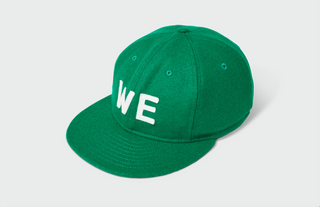


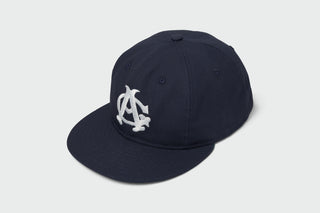
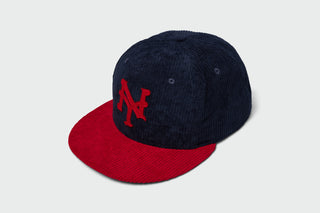
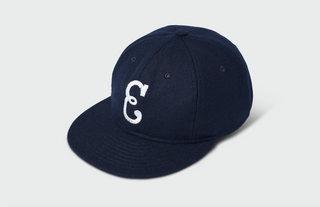
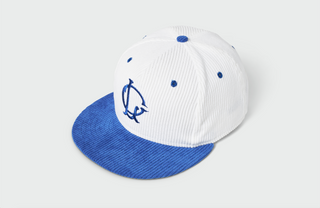
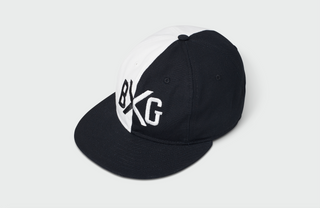
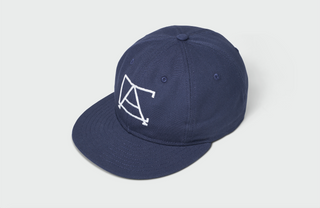


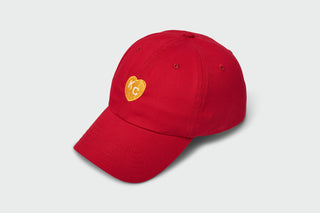
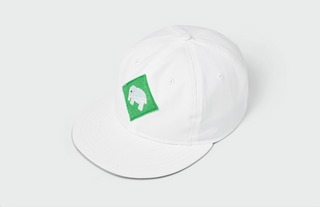
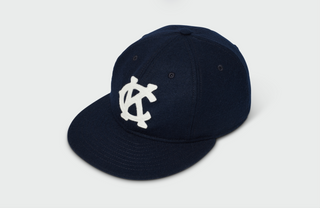


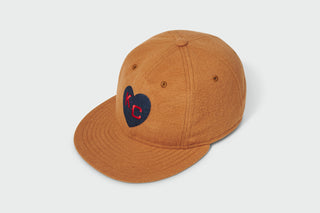
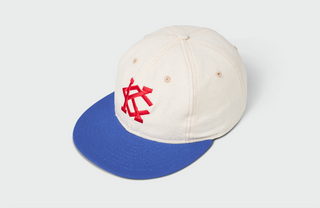
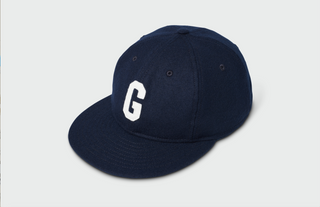

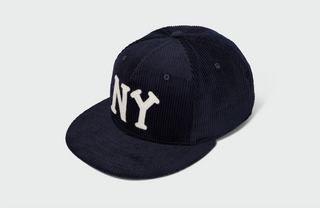
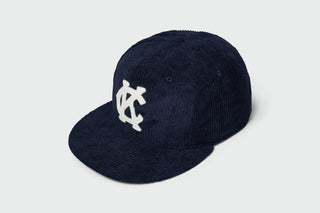

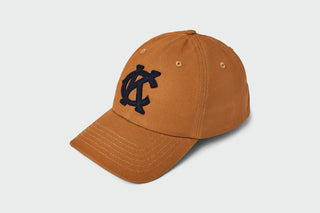
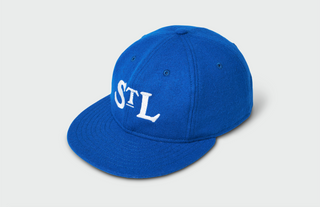
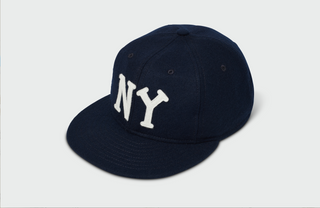


The Negro Leagues were founded in Kansas City in 1920, a few miles from where we cut and stitch these hats today. That's not a coincidence we take lightly. We build this collection with the Negro Leagues Baseball Museum so the names and marks of these clubs stay where they belong: in the open, worn with pride, and made with the same standards the teams played to.
Every cap runs heavyweight cotton or Melton wool with raised felt appliques, stitched into the panel, not printed on. Cut, stitched, and inspected in-house. If you want the history behind the partnership, read our story.
Negro Leagues collection, answered
Are these official Negro Leagues hats?
Yes. This collection is built in partnership with the Negro Leagues Baseball Museum in Kansas City, and a portion of every sale goes directly to the museum.
Which teams are represented?
The collection covers clubs across the Negro Leagues, including the Kansas City Monarchs, New York Black Yankees, Pittsburgh Crawfords, and Homestead Grays. New teams and styles come off the line regularly.
Where are these hats made?
Every hat in this collection is cut, stitched, and inspected in our Kansas City, Missouri shop, a few miles from where the Negro Leagues were founded in 1920. In-house from cut to ship.
How are the logos applied?
Raised felt appliques, stitched into the panel rather than printed or heat-pressed. It's the way these marks were made in the era the teams played, and it holds up the same way.
How does the museum partnership work?
We work directly with the Negro Leagues Baseball Museum on the collection, and a portion of every sale goes to the museum to support its mission of preserving this history.


